
The Challenge
Global Solo Challenge
Miles of ocean
Days at sea (est.)
Skipper. No crew.
No port calls allowed
Start & finish, Spain
Horn, Good Hope, Leeuwin
About the Race
What is the Global Solo Challenge?
The Global Solo Challenge is one of the most demanding offshore sailing races in the world. Competitors must sail solo, non-stop, and unassisted around the globe, no crew, no port calls, no outside assistance once the race begins.
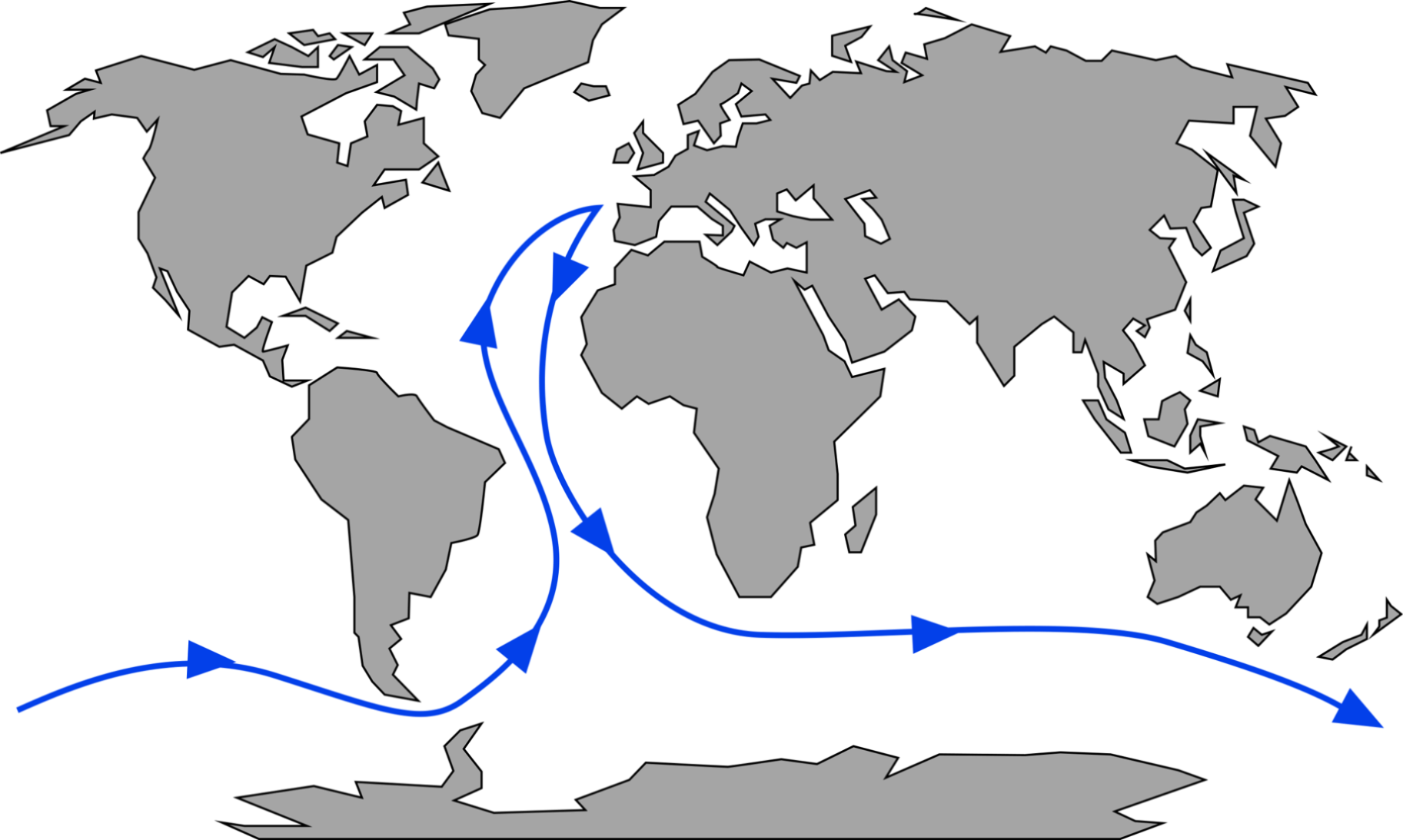
The race starts and finishes in Vigo, Spain, and takes competitors south through the Atlantic, around the three great southern capes, Good Hope, Leeuwin, and Horn, and back north to the finish.
With an estimated duration of around 140 days, the Global Solo Challenge tests every dimension of a sailor's ability: seamanship, navigation, boat maintenance, weather routing, and above all, mental and physical endurance.
It is one of the few events in sport where a single human being must face the full force of the world's oceans entirely alone.
30,000+ Nautical Miles
Vigo → Atlantic → Southern Ocean → Pacific → Cape Horn → Vigo
The Route
Around the World in Five CONSECUTIVE LEGS
North Atlantic
Vigo, Spain → Equator
The race departs Vigo and heads south through the Bay of Biscay and down the Atlantic, crossing the equator into the Southern Hemisphere.
South Atlantic
Equator → Cape of Good Hope
Pushing south through the South Atlantic trade winds towards the notorious Cape of Good Hope, the gateway to the Southern Ocean.
Southern Ocean
Cape of Good Hope → Cape Leeuwin
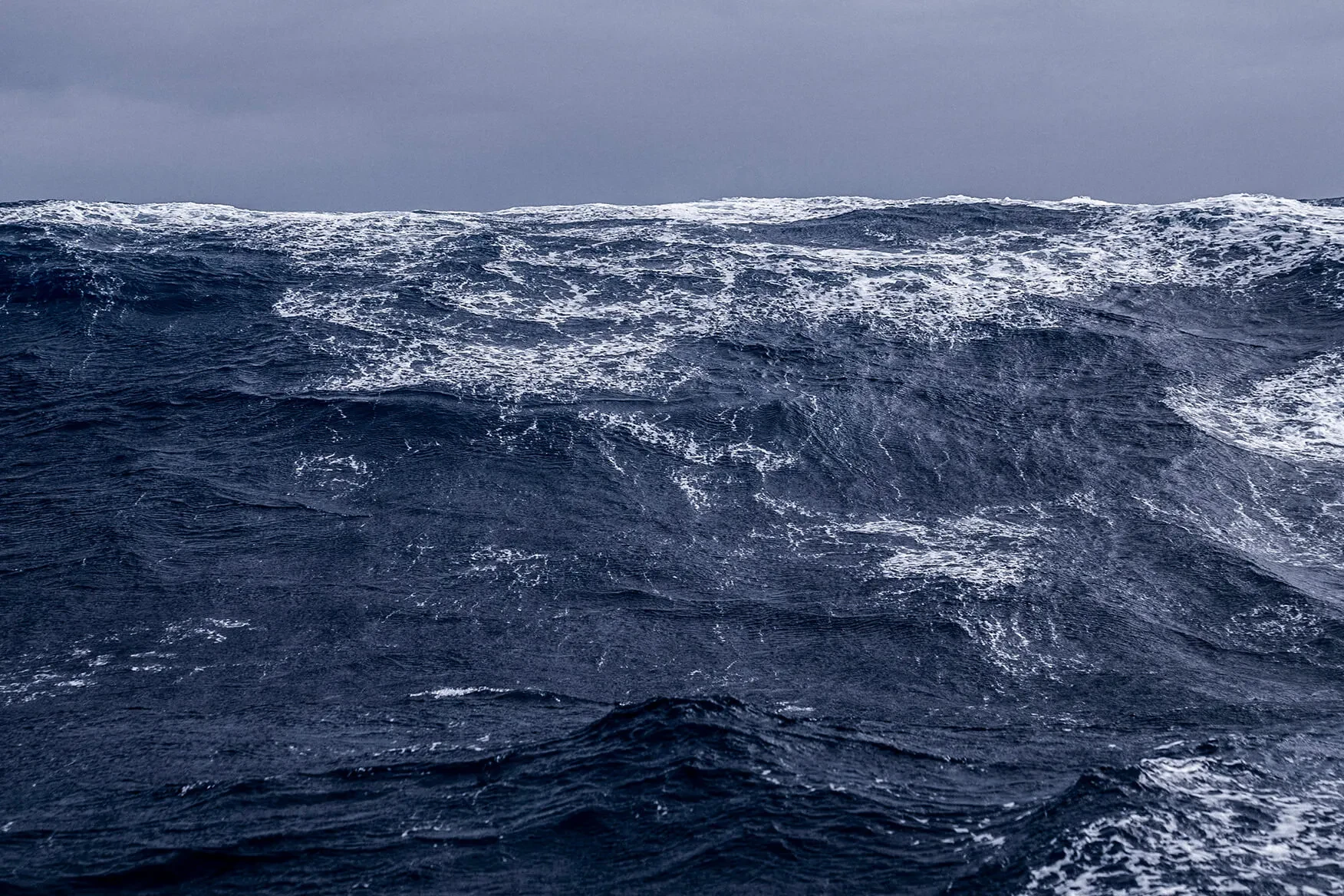
The most demanding stretch. The Southern Ocean is the wildest body of water on earth, massive seas, relentless westerly winds, and extreme isolation.
South Pacific
Cape Leeuwin → Cape Horn
Continuing east across the vast South Pacific, rounding the bottom of Australia and New Zealand before the legendary Cape Horn.
Cape Horn & Return
Cape Horn → Vigo, Spain
Rounding Cape Horn, the most feared cape in sailing, and heading north through the South and North Atlantic back to the finish in Spain.
What Karl Faces
The challenges of solo circumnavigation
Sleep Deprivation
Solo sailors can never sleep for more than 20 minutes at a time. Managing fatigue is as important as sailing skill.
Mechanical Failures
With no crew and no port calls, every repair must be made alone at sea, sometimes in 40-knot winds and 10-metre swells.
Southern Ocean
The most hostile sailing environment on earth. Icebergs, 60-knot storms, and waves the height of a four-storey building.
Mental Endurance
Four months of solitude, thousands of miles from land. The psychological challenge is as demanding as the physical.
Be part of the journey
Whether you want to follow Karl’s race, donate to Parkinson’s charities or come aboard as a sponsor, your place in this story awaits.